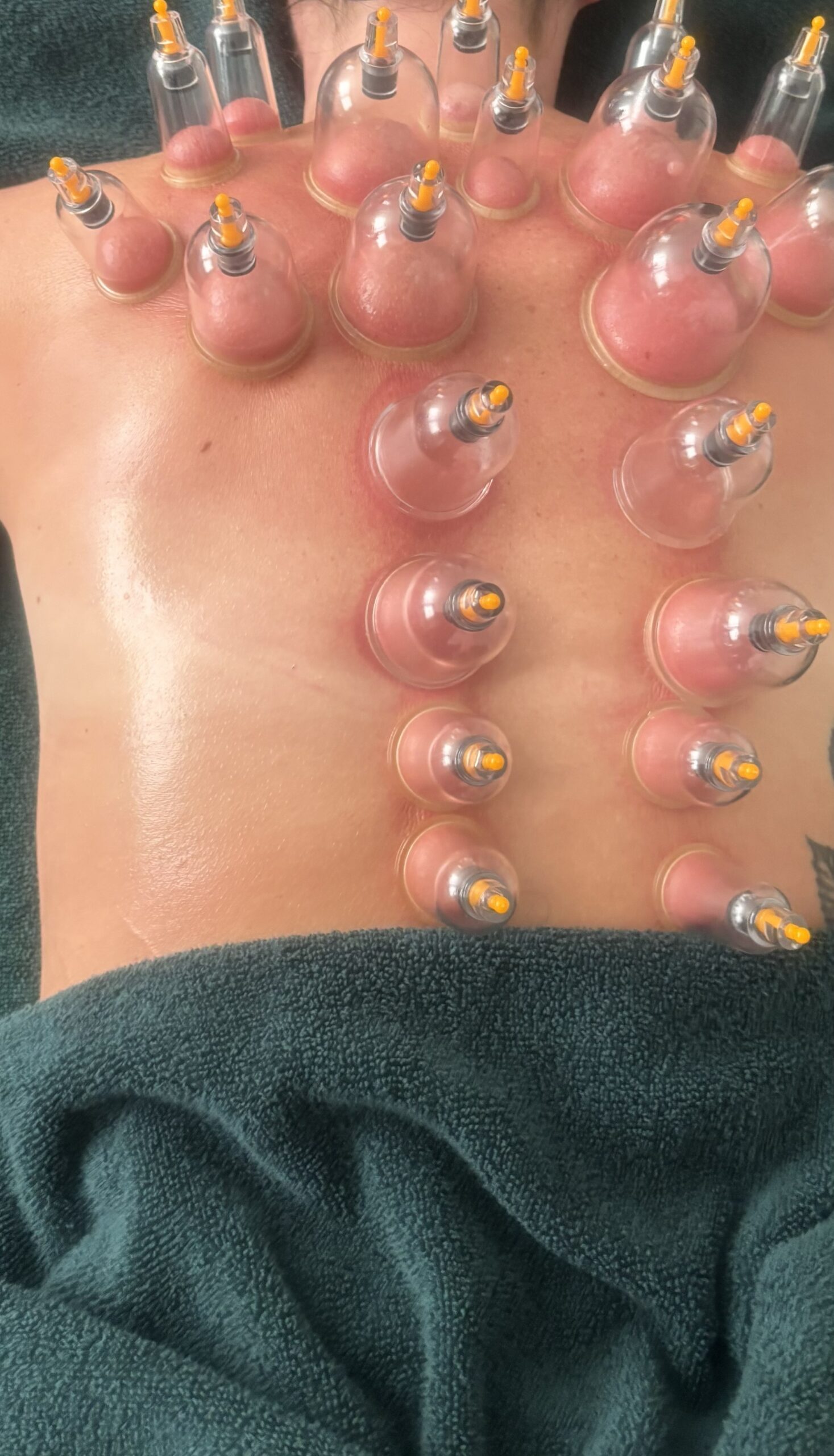

Cupping therapy has become a familiar sight in gyms, physiotherapy clinics, and even on the backs of elite athletes. Those distinctive circular marks — once a curiosity — are now widely recognised as signs of recovery work rather than injury. But cupping is far more than a passing wellness trend. It’s a therapeutic practice with deep historical roots, a fascinating cultural journey, and a growing role in modern sports science and holistic wellbeing.
A Brief History of Cupping


Cupping is one of the world’s oldest healing techniques, with evidence stretching back over 3,000 years. The earliest written reference appears in the Ebers Papyrus (c. 1550 BCE), an Egyptian medical text describing cupping as a method used by healers to treat a range of ailments.
From there, the practice spread across continents:
- Traditional Chinese Medicine used bamboo, horn, or ceramic cups to restore balance and improve circulation.
- Ancient Greek physicians, including Hippocrates, used cupping to treat musculoskeletal issues.
- Middle Eastern and Islamic medicine incorporated cupping into broader therapeutic systems.
Despite cultural differences, the core idea remained the same: using suction to stimulate the body’s natural healing processes.
How Cupping Works
Modern cupping uses glass, silicone, or plastic cups to create a vacuum on the skin. This suction gently lifts the skin and underlying tissues, increasing blood flow and stimulating the nervous system.
The marks left behind are not bruises — they’re simply the result of blood being drawn toward the surface, and they fade within a few days.
The most common method today is dry cupping, which uses suction only. Wet cupping, which involves small incisions, is still used in some traditional medical systems but is less common in Western clinical settings.

Cupping in Sports and Exercise Recovery

Cupping has become a popular recovery tool among athletes because of its potential to support performance and reduce discomfort. Reported benefits include:
- Reduced muscle tension
- Improved mobility and flexibility
- Pain modulation through sensory stimulation
- Enhanced blood flow to support recovery
- Reduced delayed-onset muscle soreness (DOMS)
Physiotherapists often combine cupping with stretching, manual therapy, and strength work to address tight fascia, muscular imbalances, or chronic stiffness.
Cupping for General Wellbeing
Beyond sports, cupping is valued for its calming and restorative effects. Many people report a deep sense of relaxation during and after treatment, likely due to activation of the parasympathetic nervous system — the body’s “rest and digest” mode.
Emerging research suggests cupping may:
- Support the body’s natural inflammatory response
- Encourage tissue repair
- Reduce stress and tension
- Promote a general sense of wellbeing
While not a cure‑all, cupping offers a low‑risk, holistic approach to supporting both physical and mental health.
Final Thoughts
Cupping has travelled an extraordinary path from ancient healing ritual to modern recovery tool. Whether used by athletes chasing peak performance or individuals seeking relief from everyday tension, it offers a unique blend of tradition and therapeutic benefit.
Its ability to ease tight muscles, support recovery, and promote relaxation continues to make it a valued practice in sports, exercise, and holistic wellbeing.Cupping therapy has become a familiar sight in gyms, physiotherapy clinics, and even on the backs of elite athletes. Those distinctive circular marks — once a curiosity — are now widely recognised as signs of recovery work rather than injury. But cupping is far more than a passing wellness trend. It’s a therapeutic practice with deep historical roots, a fascinating cultural journey, and a growing role in modern sports science and holistic wellbeing.
If you would like to try Cupping for yourself, then please contact The Pamper Studio to discuss your needs. Cupping can be taken as a standalone treatment or can be added to another massage treatment. If you are just curious and already have a treatment booked, ask and we can discuss cupping with you and let you try one or two for free.